
The Coimbra protocol diet; what to eat when embarking on the Coimbra vitamin D protocol? It can be daunting when trying to figure out what to eat at first. However, it does not have to be and should not in any way put you off. Here we cover in detail all of the foods that you can eat on the Coimbra protocol diet and those that you should avoid.
It is straightforward once you grasp the core principles of the diet. If you have MS or another autoimmune disease, find a way to make it work for you. Experiment and try new recipes and embrace this new lifestyle.
The benefits that you will glean far outweigh any sacrifices that you may make in terms of what you have to substitute. That said, there are lots of smart ways to incorporate the foods you love by using a little creativity and thinking outside of the box!
My intention here is to cover the basics of the Coimbra protocol diet. With this in mind, I will share my personal experience. We will look at constructive methods of incorporating the protocol into our lives.
COIMBRA PROTOCOL DIET: EVERYONE WITH MS HAS DIFFERENT SYMPTOMS
Every person with MS has their own very unique form of the disease. Accordingly, our bodies react differently to calcium. Some of us may have a higher tolerance than others. It is best to err on the side of caution to begin.
Once you get your first or second bloods back, you will be able to see how sensitive to calcium your body is. That said, some foods need to be limited and watched.
WATER CONSUMPTION ON THE COIMBRA PROTOCOL DIET
The Coimbra protocol diet requires drinking a minimum of 2.5 liters of water per day to flush your body and also to protect your kidneys. 2.5 liters [85 ounces] of fluids, preferably water, should be consumed daily to avoid excessive concentration of calcium in the urine.
To quote Dr. Coimbra, “Ingest high amounts of liquids (at least two and a half liters of liquids daily, including water, juices, soft drinks, teas, etc.)” Higher volumes of liquids assures a urine volume around 2.000 ml.
Drinking extra water avoids an excessive concentration of calcium in the urine because the increase in the consumption of liquids help dissipate it. It is also essential in preserving kidney function.
BEWARE OF CALCIUM LEVELS IN DRINKING WATER

Although not every protocol doctor will advise this, it is crucial to be aware of the calcium amounts in drinking water. These can vary enormously from one region to another and also from one brand of drinking water to another. On the Coimbra protocol diet, this is a significant consideration.
I have discovered this from personal experience and fortunately have a protocol doctor that warned me of it. He cited the case of a man under his care suffering from hypercalcemia. W that he had not in any way strayed from the diet rules.
It transpired after much scrutiny that the levels of calcium in the water he was drinking was extremely high!
If you are using water from the tap, ensure that you use a filter that filters the calcium.
When buying bottled water in the store, check the calcium levels on the label.
When you are cautious about the levels of calcium in your everyday water consumption, it allows for a little extra calcium treat, such as an occasional ice cream or suchlike. You can save a lot in this area!

DAIRY ON THE COIMBRA PROTOCOL DIET
 Dairy must be limited on Coimbra protocol diet. Why? Dairy contains high levels of calcium. Vitamin D enhances your ability to absorb calcium from food. It is as simple as that! Too much calcium in your body can cause multiple issues. In extreme cases, high calcium blood levels can even lead to mental confusion, coma, and even death.
There is additional danger added by the stress put on your kidneys. Attempting to clear calcium from your body can cause kidney stones.
Additional issues include bone resorption. Resorption happens when bone cells, specifically a group know as the Osteoclasts, erode bone tissue, causing calcium and phosphorus to be released from the bone, back into the blood. Blood is reabsorbing the original materials it once brought to help build up the bone in the first place. Osteoporosis and other complications are what ensues if neglected.
Consequently, blood, calcium, and urine levels are top of the watch list for Coimbra protocol diet doctors!
NOT ALL DAIRY IS BANNED ON THE COIMBRA PROTOCOL DIET!
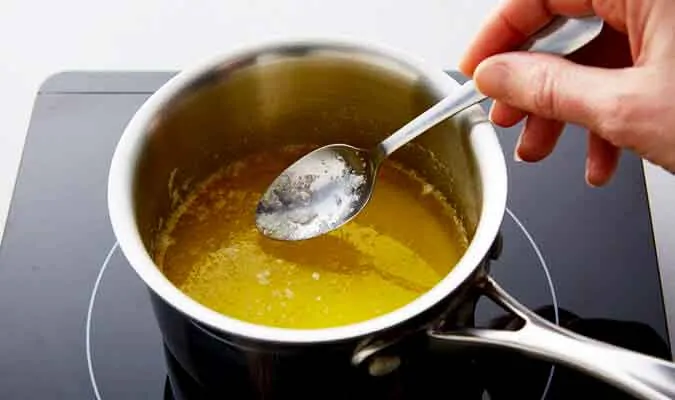
That said, not ALL dairy products are high in calcium, so that you can eat them in moderation on the Coimbra protocol diet. For instance, if you follow the Keto Diet along with intermittent fasting, you can use grass-fed butter. To remove the calcium, you must convert it into ghee, or clarified butter.
M a straightforward process and allows use in baking and sauces once you remove the calcium. It is also great for vegetables and meats. It will enable you to enjoy butter without any danger of elevating your calcium levels.
Some cheeses have lower levels of calcium, and the obvious thing to do is to check labels for contents before deciding whether you can include them in your Coimbra Protocol Diet.
NUTS AND SEEDS ON THE COIMBRA PROTOCOL DIET
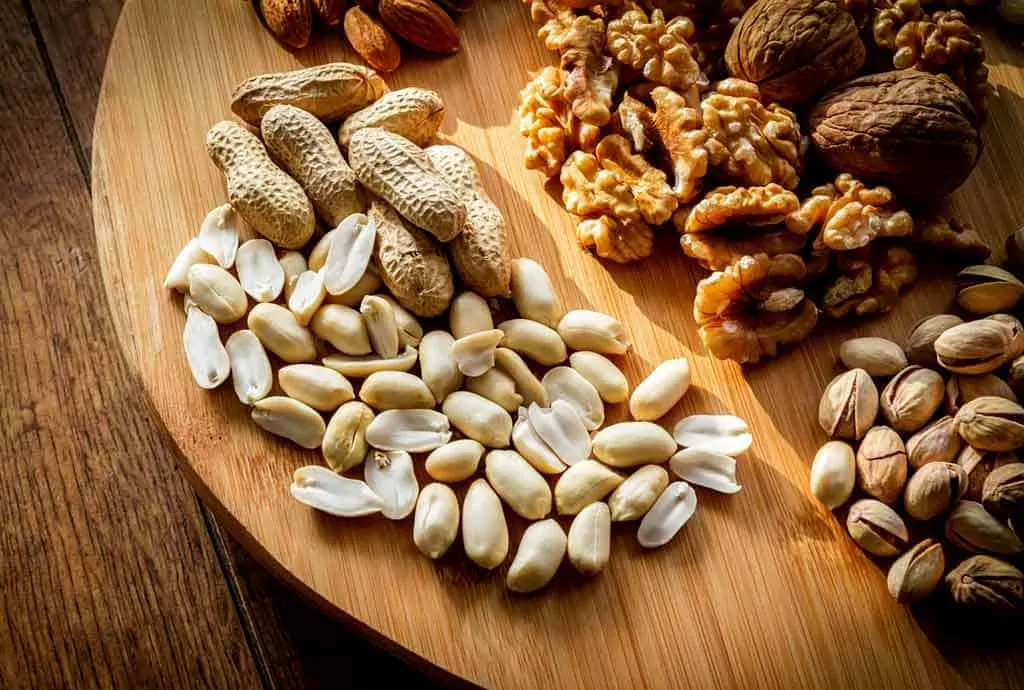 It is highly likely that your Coimbra Protocol Doctor will give you a list of nuts that you should eliminate from your diet.
NUTS TO AVOID
- Pistachios
- Walnuts
- Almonds
- Peanuts
- Sesame seeds
- Hazelnuts
- Macadamia nuts
- Granola
Some nuts such as Hazelnuts and Almonds have a very high calcium content. Almonds contain 268 milligrams per 100 grams, for example, and Hazelnuts with 250 milligrams per 100 grams are not far behind!
On the other hand, Cashews have only 37 milligrams per 100 grams.
On the Coimbra protocol diet, oxalate content is the reason for the restriction. When you mix calcium or phosphorous with oxalate, it increases the chances of you developing kidney stones. Increased intake of vitamin D already means that your kidneys have to filter a lot more oxalates and phosphates. From this angle, it makes sense to limit the load by avoiding most nuts, which are also high in phosphates.
Conversely, pistachios are low in oxalates.
WHY ARE NUTS EXCLUDED ON THE COIMBRA PROTOCOL DIET?
To make sense of the big picture when a Doctor advises no nuts, it is primarily because, as a general food group, it simplifies the rules. If you know they are a no-no, then you will not have to evaluate which ones you can eat and which you cannot. It makes it easier for people to follow the diet.
That being the case, I personally sometimes include some nuts in recipes. Not every day and not all of the time, but once you have been following the protocol for a while, you will become aware of which foods affect calcium levels. Use common sense and be cautious, but again find a way that works for your lifestyle on the Coimbra Protocol Diet.
COFFEE
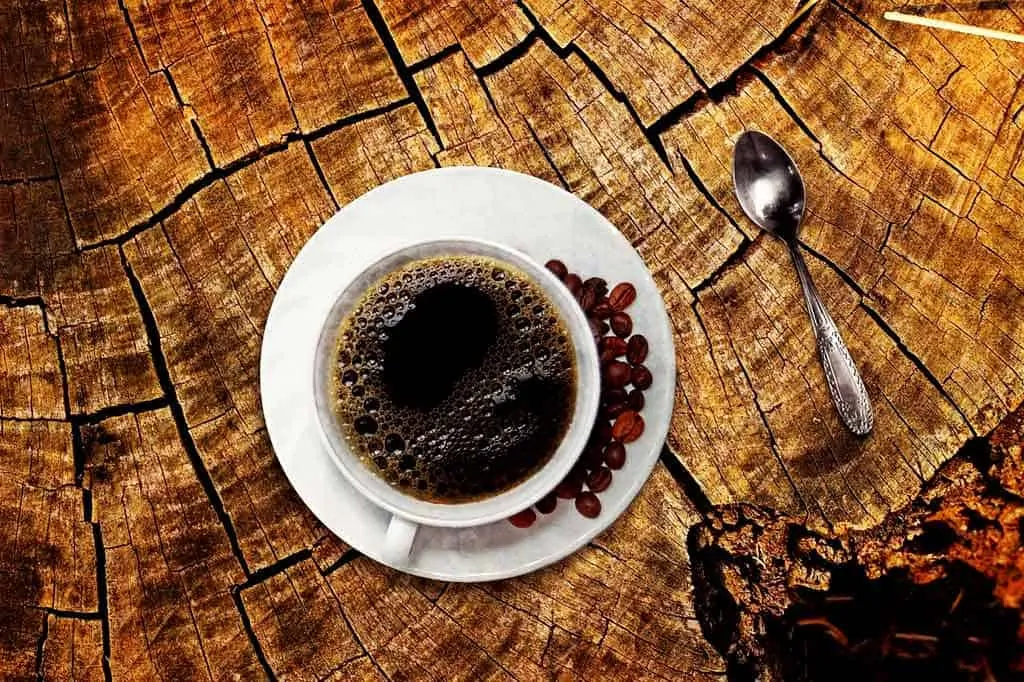
Avoid drinking too much Coffee. Why? One word Osteoporosis.
A study cited in the American Journal of nutrition included the following information; “Caffeine intake increases the rate of bone loss in elderly women and interacts with vitamin D receptor genotypes.”
Overstimulation of Osteoclast activity causes this. As discussed earlier, high doses of vitamin D promote bone decalcification.
In consequence, caffeine has the potential to further contribute to bone loss. Therefore you should watch your coffee intake.
I limit myself to a couple of cups in the morning and then avoid it for the rest of the day. Increasing the volume of water, which is part of the protocol, means that I do not miss it at all!
GREEN SMOOTHIES
 It would appear that the apparent reason for avoiding green smoothies on the Coimbra protocol diet is that they invariable contain a lot of spinach, and spinach is high in calcium.
Not so. A cup of spinach contains only 33mg of calcium. Admittedly in concentrated amounts, which are what constitutes green juice, the calcium levels are considerably higher. Therefore avoid them. Green powders and minerals used to make green smoothies are also invariably high in calcium.
The main reason that Protocol Doctors advise against their consumption is because they are high in oxalates. Calcium, phosphates, and oxalates taken together leads to kidney stones!
Avoid green smoothies, but feel free to eat plenty of whole green vegetables, including spinach!
COIMBRA PROTOCOL DIET: VITAMIN C
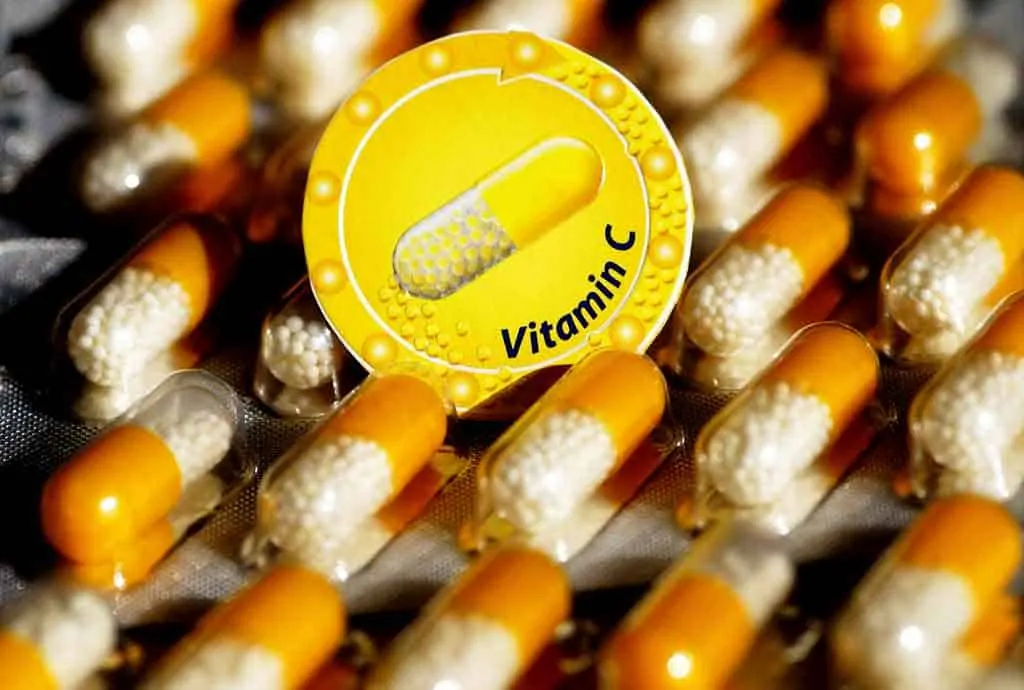
The citric acid of oranges and lemons can protect the body against kidney stones and can be used to eliminate them if they do form.
ALCOHOL

Keep it for a treat at the weekend, or if there is a special occasion that deserves a celebration!
OTHER FOODS YOU NEED TO WATCH OUT FO

BAKED GOODS
 Fortification with calcium and other so-called ‘nutrients.’ In the UK it is mandatory. There are many arguments for and against this practice. But from the viewpoint of the Coimbra protocol, it is no help.
It is, therefore, imperative that you be your own best advocate when it comes to checking the calcium levels of anything containing flour. Treat bread, biscuits or cookies, and cakes with caution.
One way to police what you are eating is to bake your versions. Use alternatives to regular fortified flour or seek out unfortified artisan brands t
While on the subject of cakes, be aware of cakes and desserts that have high dairy content. Cheesecake is an obvious example, and cream cakes would be another clear top dairy choice. Use common sense and when in doubt, leave it out!
RESTRICT MEAT INTAKE
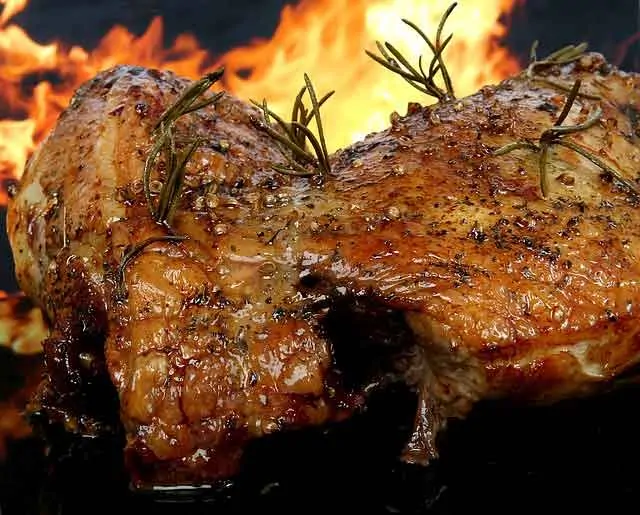 Some protocol doctors advise restriction of meat intake.
My protocol doctor has not told me to restrict meat intake. He has not even mentioned it as I do not believe it directly impacts the protocol. In an ideal world, everyone would stop eating roasted or barbecued meat for the same reasons mentioned here. In terms of the Coimbra protocol, it is not high on the list of restricted foods.
AVOID FRUITS FROM THE ANNONACEAE FAMILY
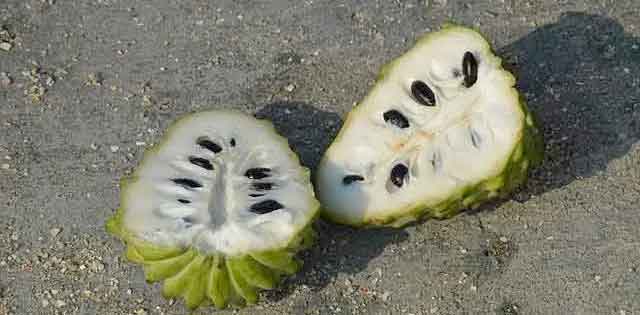 Members of the Annonaceae family include Custard apple, Cherimoya, Soursop, Guanabana, Sweetsop, Soncoya, Atemoya, Graviola, and Biriba.
AVOID BANANAS AND STARFRUIT
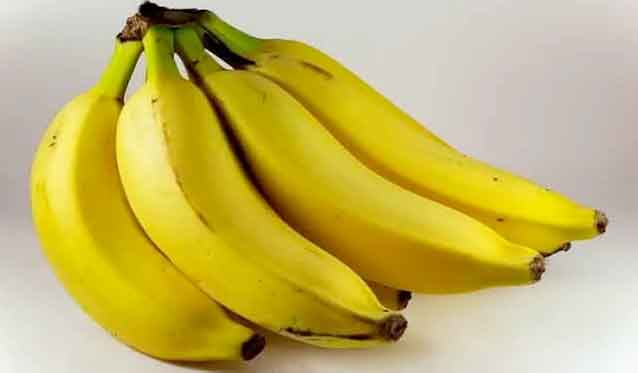
Besides being high in potassium, which is hard on the kidneys, banana’s are one of the most pesticide-intensive fruits when grown.
AVOID SMALL FISH WITH EDIBLE BONES
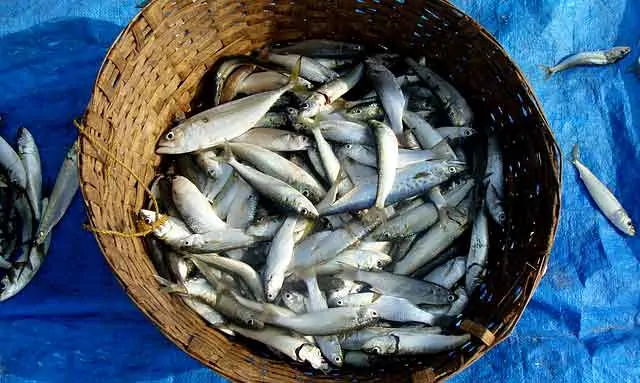 Small fish such as sardines, whitebait, and anchovies are very high in phosphates. We discussed earlier why it is vital to avoid phosphates on the Coimbra protocol diet.
As well at that, fishbones are a very high source of calcium. It is best to avoid fish bones, so if you can eat sardines which have them removed or you are cooking from fresh, feel free to indulge. Just make sure to avoid fish that have the bones intact!
CONCLUSION
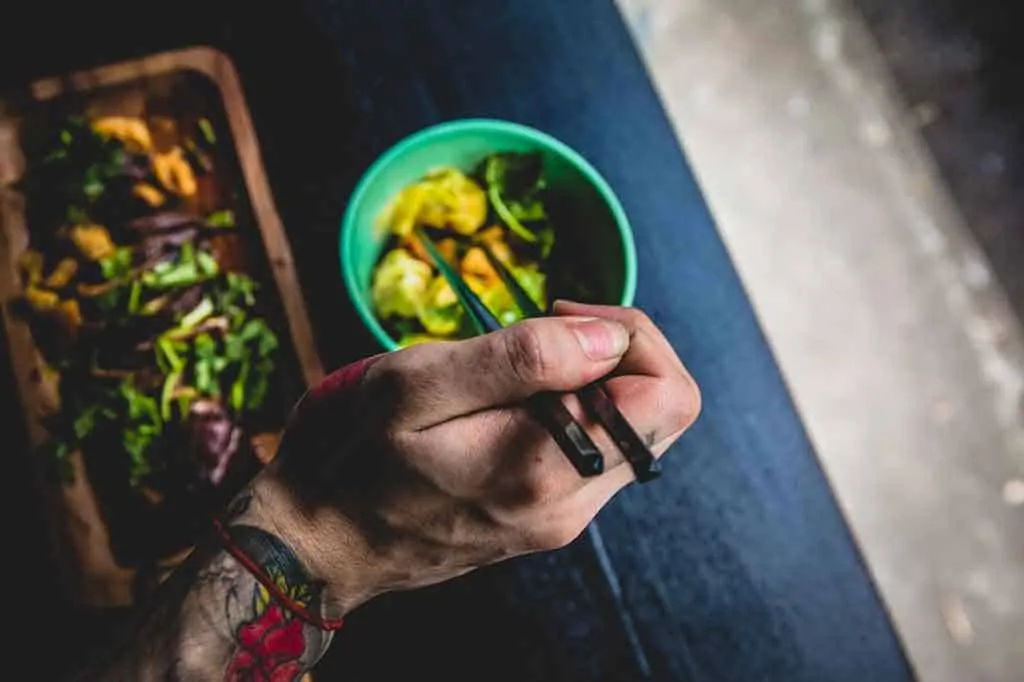
In conclusion, try to see your glass half full while following the Coimbra protocol diet. Many people have had miraculous outcomes after following the diet for just a short time. Symptoms continue to improve over time. As a result, many people have been fortunate enough to get back a life that they thought was gone forever! There are plenty of great low calcium recipes out there. Here is a great site.
Focus on healing, and enjoy the food you prepare. Once you get used to the Coimbra protocol diet, it will become easy to include in your eating plan.
! When vitamin D begins to work its magic, you will find the diet is well worth it. Good luck 🙂
NEXT: VIDEOS OF DR. COIMBRA DISCUSSING HIS PROTOCOL
If you are not in the mood for reading and you want to hear about the protocol from the horse’s mouth, check out these videos.