
 Limiting proteins on a keto diet is very important, to enter and stay in ketosis. People who have tried low carb diets before, find the ketogenic diet quite different. As a rule, you need to be cautious about overeating protein. One of the more popular low carb diets is the Atkins diet, which you have no doubt heard. This diet advocates more substantial portions of protein to help with hunger.
LIMITING PROTEINS ON A KETO DIET MAKES SURE YOU STAY IN KETOSIS
LIMITING PROTEINS ON A KETO DIET STOPS GLUCONEOGENESIS
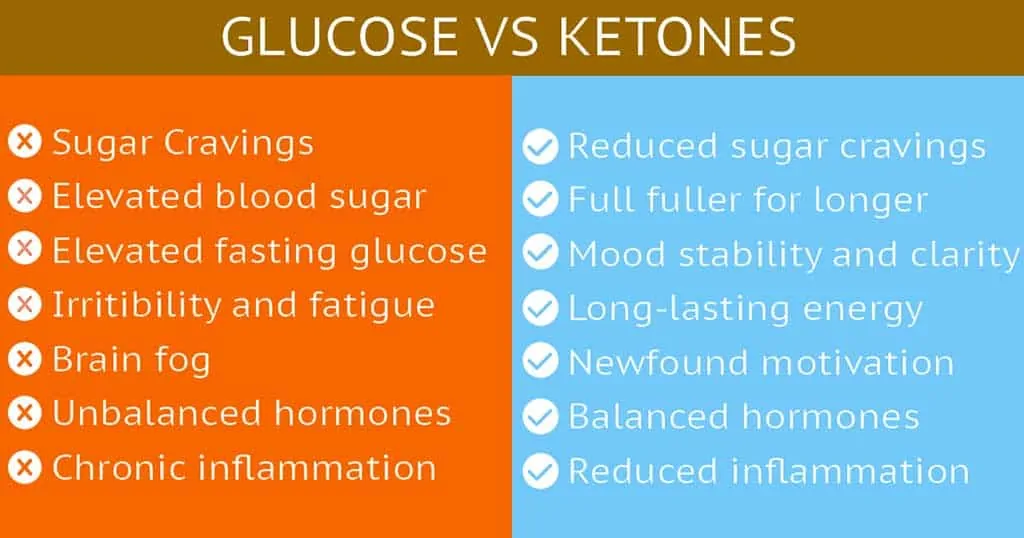
THE BODY DEFAULTS TO GLUCOSE AS THE FIRST CHOICE OF FUEL: LIMITING PROTEINS ON A KETO DIET
EXAMPLES OF HOW MUCH PROTEIN TO EAT ON KETO
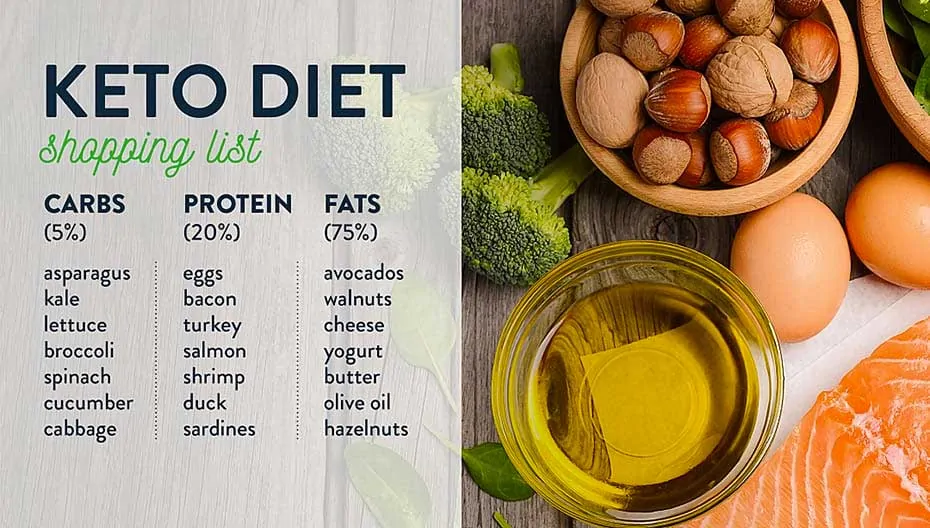
A general rule of thumb is that protein should be limited to 1 gram of protein per 1 kilogram of body weight. If we look at this in real life, here is a good example:
An average UK woman weighs in at 70.2 Kilograms. An average chicken breast contains 54 grams of protein. Throw in a couple of large eggs at 6.3 grams each along with a 1oz slice of cheddar cheese at 7grams. That maximizes out the count for the day at 73.6 grams. Some choose to stick with 1.5 grams of protein per kilogram of body weight.
EXPERIMENT TO FIND YOUR KETOSIS THRESHOLD
Everyone has to find their sweet spot for staying in ketosis. It is worth mentioning that lifting weights and exercising will affect the amount eaten, without going out of the keto zone. Often the level of toleration in terms of carb consumption can be quite dramatic from one person to the next! Limiting proteins on a keto diet is very important to get into and stay in ketosis.
NEXT SEE: KETO DIET FOODS – COMPLETE LIST