
Keto diet for beginners; all you need to know to get started on a keto diet is explained here. Starting a Keto diet is one of the greatest things you can do for your health!
It can seem a little overwhelming at first, but hang in there. Once you compute the basics it is very easy to follow.
Admittedly, if you are switching from a standard diet, high in carbs, and processed foods it is a new challenge. However, with a good attitude and preparation, you will soon get the hang of it, and be delighted that you did.
Most people find that after a few weeks on the keto diet, they feel much better than they have ever felt before. Once their bodies have adapted to using fat for fuel instead of glucose, they discover clarity of mind and an evening of temperament.
Without the constant spikes and drops in blood sugar, energy is even and abundant and the ability to concentrate better. It is important to remember what the keto diet for beginners involves, which means moving to a healthier, leaner, happier you!
ADAPTING TO A KETO DIET – WHAT TO EXPECT?

How does that old saying go? You have to put up with the rain, to get the rainbow!
This keto diet for beginners, will mean some adaptations that your body needs to go through before you start to enjoy the benefits. Not all people suffer these symptoms, I personally did not, but it is good to have an idea of what you may expect.
One of the most common side effects of adapting is often referred to as the keto flu. It usually only lasts a few days, but can come and go for the first week. Symptoms can include;
- Low energy
- Sleep issues
- nausea
- headache
- dizziness
- vomiting
- fatigue
- constipation
- increased hunger
- Irritability
- Lack of motivation.
WHAT CAUSES KETO FLU
 The keto flu happens when your body transitions from burning sugar (glucose) to burning fat for the majority of its energy needs.
When you change from a high-carb diet to a very-low-carb diet, insulin levels in your body are lowered. This is one of the primary goals of a keto diet for beginners. As a consequence, once insulin levels are reduced the liver starts to make ketone bodies from stored fat. It uses these instead of sugar for energy. This means your body has entered a state of ketosis, which is where the keto diet gets its name.
Additionally, when your insulin levels are lowered, your body responds by excreting more sodium in the urine, along with water. This is a very natural process and nothing to worry about. It is what is responsible for the rapid weight loss that occurs within the first week, loss of water weight. You may notice you are visiting the bathroom more often during this period!
The symptoms of keto flu are usually short-lived. They are minor, and easy to manage at home. It is good to be aware of them so that you know you do not need to see a doctor. There are also measures that you can take to help mitigate the symptoms and relieve any discomfort.
KETO DIET FOR BEGINNERS -WHAT CAN YOU DO TO HELP SYMPTOMS OF THE KETO FLU?
 SWITCH TO LOW CARB AND INTERMITTENT FASTING BEFORE STARTING KETO

To prevent the keto flu or to minimize symptoms there are several things that you can do to help!
Firstly you may want to consider transitioning to a lower-carb diet for a couple of weeks before going fully ketogenic. By doing this you will help your body to get used to burning fat and making ketones, before going full keto.
When looking at a keto diet for beginners, you can try and introduce intermittent fasting. This is where you limit the time frame of your eating window each day. There are various different types, based on your eating window. Some people fast for 16 hours and eat within an eight-hour window. Others eat for twelve and fast for twelve. If you take into consideration that most people sleep for seven or eight hours each night this is not hard to do. Intermittent fasting works very well along with a keto diet. Learn more about intermittent fasting.
 INCREASE YOUR INTAKE OF SALT AND WATER

The loss of salt and water is the cause of most keto flu issues. By increasing your intake of both you will reduce your symptoms considerably and frequently get rid of them altogether.
During the first few weeks of beginning your keto diet, drink a glass of water with half a teaspoon of pink Himalayan salt or natural sea salt like Malden salt added to it, when you feel symptoms coming on. These may include a headache, nausea, dizziness, or the other symptoms mentioned earlier. These salts are processed more naturally, have more minerals in them, and are less stringent on the body. Also as strange as it may sound drinking saltwater, you can barely taste the salt in the water at all.
Try and increase the volume of water that you consume during this period. On a keto diet for beginners, it will help to clear things out as you adapt and relieve the pressure on your organs. Drinking plenty of water is always good for you. Most health experts urge you to try and drink 2.5 liters of liquids per day, but other beverages will probably be included in this count. Getting plenty of water and sodium as well as and electrolytes such as magnesium and potassium can also help with constipation, another issue that people can experience when starting a keto diet.
 EAT MORE FAT
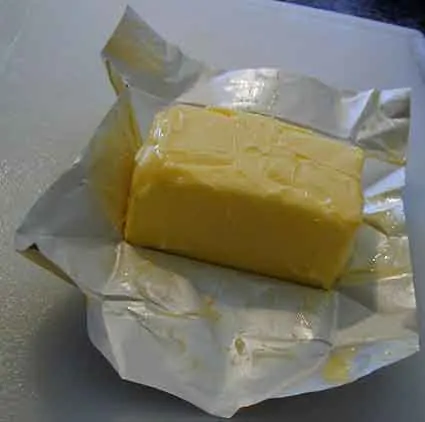
Eating more fat will seriously help to diminish symptoms of the keto flu. Fatphobia is a result of decades of misinformation. When limiting carbs, fats are your best friends! Once carbohydrates are removed from the equation you will not gain weight eating fat on a keto diet. On the contrary, it actually helps you to lose it It is essential when you cut back on carbs that you increase your fat intake! When you reduce your intake of carbs quite drastically as you will on a keto diet, your body needs the fat! Otherwise, it will think it is starving and will make you feel weak, cold, and miserable!
Examine your relationship with fat. It may need a make-over. New York City-based dietitian Kristen Mancinelli, RD, author of The Ketogenic Diet: A Scientifically Proven Approach to Fast, Healthy Weight Loss says: “People are afraid of fat because they’ve been told that it’ll kill them.”
Transitioning to a keto diet, which means eating a lot more fat means that you need to educate yourself on why fat is your friend. Start by using more fat on vegetables. Try a bulletproof coffee in the morning instead of breakfast. Find out more about it along with the recipe.
Don’t be afraid of fat! It takes a leap of faith to get over this and many friends I know cannot get past the fear that consuming more fat will make them fatter. The truth is fat helps your body to release fat. Be brave and trust in the process. To explore the best fats to eat on a keto diet; use this link.
 FOCUS ON ADAPTING TO KETO EATING – DO NOT RESTRICT CALORIES

During the first week of the keto diet, your appetite may be diminished because you are suffering symptoms of the keto flu. Implement the measures we have discussed to alleviate these. On the other hand, some people may experience more hunger than they would normally get. It is important that you eat freely during this period. Don’t worry about calories, just make sure that you are eating keto-friendly foods as and when you get hungry. Enjoy the new food and as mentioned earlier have faith in the process.
Added stress at this time is not a good idea, so relax and if you feel peckish, indulge. Enjoy low carb snacks, such as a boiled egg, or half an avocado with a keto-friendly homemade dressing that leaves out the sugar!
That said, do not eat if you are not hungry. Just listen to your body and trust. There are lots of great keto recipes available online, so get creative and start finding some staples that you can enjoy with your new lifestyle!
 DON’T OVER EXERCISE
It may be tempting when embarking on a keto diet for beginners to ramp up your exercising to help along with the weight loss!
On the other hand, you may find that keto flu is zapping your energy. Working out is the last thing you feel like doing under these circumstances.
It is important to realize that this period of adaptation means being kind to yourself. If you don’t feel like going to the gym or working out, just give it break while you allow your body to adjust. Don’t beat yourself up.
Make a new recipe, listen to some music, meditate, or have an Epsom salt’s bath. Pamper yourself.
If you do feel the need to move, go for a gentle swim, do some yoga or stretching, or take a walk in a natural setting. Listen to your body and ease into your new lifestyle slowly. The keto diet for beginners means giving yourself room to adapt. Most studies have shown that once your body adapts to keto, it will regain energy and you will probably find yourself feeling better, with more energy and calmer moods than you ever did before you started on keto!
KETO DIET BASICS; GUIDELINES TO KEEP IN MIND

The Keto diet, by definition, is very low in carbs, high in fat and moderate in protein.
 Low-carb dieters who eat a lot of lean animal foods can end up eating too much protein. When you eat more protein than your body needs, some of its amino acids turn into glucose. Gluconeogenesis (the name given to this process) will adversely affect your ability to stay in ketosis. Therefore, protein intake should be limited to 1 gram per kilogram of body weight per day. It is dependent on how much insulin your body produces and its sensitivity. The only way to determine this is to test your ketone levels frequently when first beginning the diet.
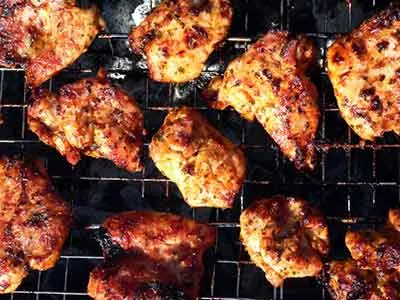
Fats should replace the majority of carbohydrates removed from your diet.
 The fats should and deliver approximately 75% of your total calorie intake. It is very important that you consume the right sort of fats. These include saturated animal fats, Olive oil, Coconut oil, Avocado oil, and butter.
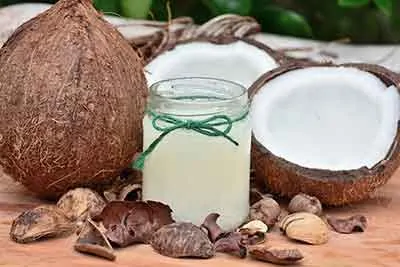
please see: Best fats to eat on a keto diet. Slather butter on your vegetables and make sauces for your proteins using keto-friendly fats.
Proteins should account for around 20% of energy needs, while Carbohydrates are usually restricted to 5%.
 Vegetables make up the rest of the diet. Try and stick to lower-carb vegetables. All green vegetables tend to contain less carbohydrates. Some examples are Kale, Cauliflower, Brussels Sprouts, Cabbage, and Broccoli.
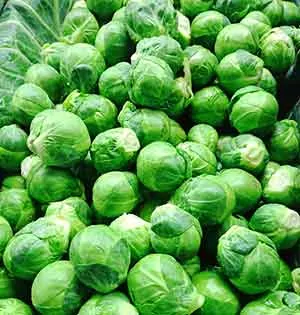
Try using vegetables in new ways. Cauliflower rice for instance is very low in carbs and a satisfying replacement for high carb rice in any dish!
Avocados although theoretically fall into the category of fruit are also great food on the keto diet as they add fat at the same time as nutrients. See; Best vegetables to eat on a keto diet.
On the keto diet for beginners, carbs are typically reduced to less than 50 grams per day. Start by keeping it at below 50 grams and slowly reduce to 20 grams depending on how your body adapts;
- There are various versions of the diet. The keto diet for beginners offers several options. Some prefer to keep Carbs below 20 grams per day. It depends on your sensitivity to insulin. It may take a short time to determine your own personal thresh-hold as explained above. I personally started with keeping it at 50 grams and slowly reduced it. Many days I may go over 20 grams, but with intermittent fasting included this works fine for myself.
The reduction in carbohydrates forces your body to rely on fats for its main source of energy;
- This replaces glucose which is the bodies first choice of energy. The liver then uses fat stores to make ketone bodies a process known as ketosis, hence the Ketogenic diet.
Interestingly, although fat has a high-calorie content, research shows that Ketogenic diets promote weight loss more effectively than low-fat diets;
- As far as MS is concerned studies have shown that the consumption of saturated fats is particularly beneficial in the aid of myelination. Ketones also promote the production of myelination.
While in ketosis, your body uses ketones for energy;
- When levels of glucose decrease, the liver utilizes fats in the body in order to make ketones. These become an alternate fuel source for the body.
Keto diets reduce hunger and increase satiety;
- At the same time cutting out sugar means that the body makes less insulin. This is particularly helpful when trying to lose weight. It is recommended that you consider including intermittent fasting in your Keto diet which also promotes healing in the body.
All of the above information is good practice on a keto diet for beginners, but the best advice, from personal experience, is to take it slow and embrace this new way of eating. Enjoy it and enjoy the results on your body and your health!
NEXT: KETO DIET FOODS – COMPLETE LIST
Complete list of what to eat and what to avoid on the ketogenic diet.