Why grass fed meat on a keto diet’? There are many reasons, as you will discover below. It is important to recognize that ethically raised, grass-fed meat is better for you than grain fed meat. It is much leaner than its conventional counterpart. Fat is not a problem on a Keto diet, but toxins consumed by the animals tend to accumulate in the fat of the animal. In an animal raised on hormones and antibiotics this is an issue for obvious reasons. It means that when you eat their fat you also consume the toxins in the fat.
THERE ARE HIGHER LEVELS OF NUTRIENTS IN GRASS FED MEAT
Grass fed meat is higher in vitamin E. Because of this it will stand up to the assault of high temperature cooking better than grain-fed meat. Vitamin E helps the immune system to function at its highest level. For that reason, it is even more important to select grass fed meat when you are buying cuts which you grill or fry, like steaks and burgers. A good way to identify nutritious beef and lamb is to observe the fat on the meat. If it yellow and cream colored it is rich in carotenoids. Generally speaking, this as good sign that the animal has eaten a grass finished diet.
FACTORY FARMED ANIMALS ARE NOT AS HEALTHY AS GRASS FED LIVESTOCK
Grass fed meat contains higher levels of key nutrients than their grain reared counterparts. As well being rich in antioxidants it also contains lots of vitamins and minerals. Included are Calcium, magnesium, and vitamins A and E. It also contains a beneficial fat named conjugated linoleic acid (CLA.) This has improved immunity and anti-inflammatory benefits. The CLA levels in grass fed meat are 2-3 times higher than in grain-fed meat. It is also thought to help protect against heart disease, diabetes, and even cancer. This is a huge consideration. A large health advantage of eating a ketogenic diet, is the ability to limit, or prevent inflammation within the body. As discussed earlier, for people with autoimmune diseases this is of paramount importance. See why a keto diet is good for MS and other autoimmune diseases as well as for cancer: keto diet.
INFLAMMATION IN GRAIN FED ANIMALS LEADS TO INFLAMMATION IN HUMANS
This book is a great read!
Organic livestock fed grain is less healthy than grass fed meat. Grains exacerbate inflammation in the animal. The health benefits of pasture-fed meat and dairy decline after only a few weeks of eating grains.
Grass fed meat means that the cattle roam the fields to forage and graze for their own fresh food. During the winter they feed on close substitutes to grass, like alfalfa. The goal is to provide the closest thing to a natural diet as possible.
It is important to limit consumption of meat raised on a grain diet. In same way that you avoid grains on a Keto diet, you want to avoid eating animals that have fed on grains. Less inflammation for them means less inflammation for you! Ethical guidelines mean a happier healthier animal that is better for you!
AVOID COUNTERFEIT GRASS FED MEAT
BUYING GRASS FED MEAT IN THE USA
In 2016, the US Department of Agriculture changed its official definition of “grass-fed.” The DOA claimed they were not authorized to confirm the information on food labels. These were specific to grass-fed livestock. The DOA said they could not tell whether labels were“truthful and not misleading”.
In plain speech – The USDA continues to test and approve farms that claim to raise grass fed meat. But, it says that it no longer has an official definition of the term “grass-fed”. This means the phrase is now more open to interpretation. Thus it allows more unscrupulous suppliers to exploit the interpretation. Much like the way that “Free range” egg farmers have done in the last 10 years.
THE AMERICAN GRASS-FED ASSOCIATION
The ‘American Grass-fed Association’ helped the USDA develop its official definition 2006. It has since developed its own independent grass-fed certification program. So what is the story? The long and the short of it is that grass fed meat is more expensive. Farmers need a year longer to fatten grass-fed cows to maturity. This is in contrast to a conventional grain-fed cow.
This extra time commitment drives up all costs, both for feed and labor. Hormones or antibiotics not used in production, hence the animal tends to be smaller in size. This makes grass-fed production more expensive all around. There are many published articles that repudiate the superior quality of grass fed animals. That said, a little digging, reveals that in one form or another the “big beef” industry finance these ‘studies’.
HOW TO IDENTIFY AUTHENTIC GRASS FED MEAT IN THE USA
Loopholes in the law (USDA) mean that the best way to source grass fed meat, is to buy from a local farmer or a producer you trust. Vet their practices yourself. If necessary visit the farm to check first hand, the welfare of the animals.
This is a good investment of your time. Once you find a producer that meets your standards, you will also be investing in your health. You will have a regular reliable supplier that you can trust. On top of that you can also tell your family and friends. You will be doing your bit for the environment by promoting quality grass fed meat.
LOOK OUT FOR THESE LOGOS WHEN BUYING AUTHENTIC GRASS FED MEAT
If it is not possible for you to find a local producer that you trust, you should look for a trusted third-party verification on the package — such as the American Grassfed Approved logo or the Food Alliance certification.
Many farms raise what they claim to Buts-fed animals. But, to increase their size before slaughter, they feed a short intense diet of grain. This deletes the health benefits of grass-fed livestock. USDA loopholes mean that farms can get away with this. Look out for the phrase “grass-finished.” when buying grass fed meat. Please see a couple of examples of such labels below:
Make sure that when you are paying premium prices for “grass fed meat ” that you are getting what you are paying for. Do not by any means take it for granted that you are. Be vigilant about your sources!
WHERE TO BUY GRASS FED MEAT IN THE UK
Many of the same issues as those discussed above about farming grass fed meat in the USA, also apply in the UK. The biggest problem seems to be identifying farms that raise pure grass fed meat. A larger percentage of farmers feed the animals grain, before slaughter to ‘fatten them up’. This happens during the most critical period, which is 80-90 days before slaughter. The livestock must be purely grass fed during this period to qualify as ‘grass fed’. This is the ‘finishing’ period.
Unfortunately, economics on the farm means that this practice is common. A large percentage of UK farms feed seed cereals and grains during this time. At the same time they will take the animals out of the fields and bring them indoors to do this more efficiently.
THE PASTURE FOR LIFE ASSOCIATION
This is a wonderful association. To buy quality grass fed meat it is a good idea to head here first and get information on where to buy meat.
The idea for the Pasture-Fed Livestock Association arose in 2009. A small group of British farmers joined together to promote the many benefits of animals fed only on pasture. The Association has developed, into an active, credible organization that champions grass-based farming. Grass fed meat certified by ‘Pasture for Life’, means animals, that have had quality lives and are hormone free.
TRULY GRASS FED LIVESTOCK ARE CERTIFIED BY THE’ PASTURE FOR LIFE’ ASSOCIATION
Pastures with grasses, wildflowers and herbs are the natural diet of cattle and sheep. Yet today, very few animals feed from pasture alone. Most farmers focus on producing their meat and milk as fast as possible. This means feeding them foods such as cereals and imported soya. At the same time keeping them indoors much of the time. It is a miserable life for these poor creatures.
As a result, animals are vanishing from fields. The tasty, healthy, grass-fed food they produce is hard to find. Pasture fed farmers, keep their animals out for as long as possible and feed them preserved pasture if they come inside.
BRITISH FARMERS FROM THE PASTURE FED ASSOCIATION PRODUCE QUALITY FOOD, NATURALLY
The Pasture-Fed Livestock Association brings together British farmers who commit to producing high quality grass fed meat in a more natural way.
Pasture-fed livestock can express their normal behaviors and often live in family groups. They feed on a natural diet of pasture and forage, such as hay in winter. These conditions mean they are are less likely to suffer from disease. Because of this they need little veterinary attention or antibiotics.
Pasture fed farmers follow Certification Standards. They have to do this to use the ‘Pasture for Life’ mark in their marketing. This assures animal welfare equal to the leading assurance schemes within the UK.
The Certification Standards, which Pasture fed farmers must follow in order to use the Pasture for Life mark in their marketing, have been developed to provide animal welfare equal to the leading assurance schemes within the UK.
JOEL SALATIN AND POLYFACE FARM IN VIRGINIA
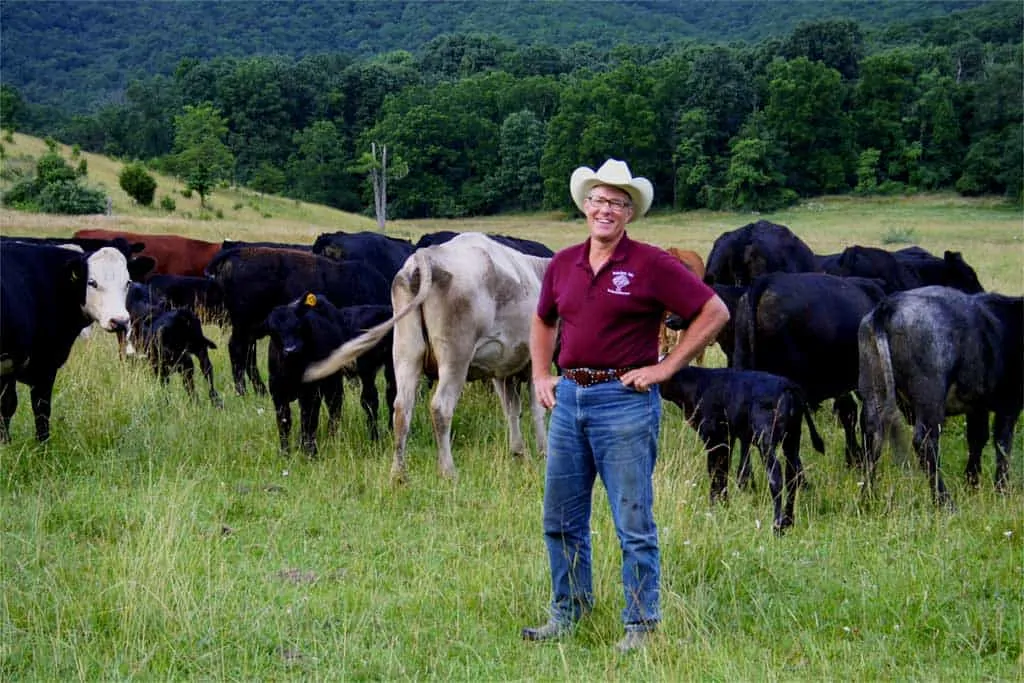
If you are interested in sustainable farming and grass fed meat, you may be lucky enough to live near Polyface farm in Virginia. Run by Joel Salatin and his family The farm is driven using unconventional methods with the goal of “emotionally, economically and environmentally enhancing agriculture”. This is an excellent farm and you can buy high quality grass fed meat here!
Salatin has developed and put into practice many of his most sustainable agricultural methods. These include direct marketing of meat and other produce to consumers. Pastured-poultry, grass-fed beef and the rotation method which makes his farm more like an ecological system than conventional farming. People collect products in their farm shop. Here is a video of a podcast with Jo Rogan where he discusses his methods and his philosophy:
FINALLY: GRASS FED MEAT IS BETTER FOR THE ENVIRONMENT
Farms that produce grass fed meat have a much lower carbon footprint. Grassland helps capture and store carbon so less escapes into the air to harm the atmosphere. Grazing animals return nutrients and organic matter back to the ground. As they deposit their dung, they ensure that the soil remains healthy and fertile. Grass fed meat is a better choice for you and a much better choice for sustainable farming.

 Grass fed meat contains higher levels of key nutrients than their grain reared counterparts. As well being rich in antioxidants it also contains lots of vitamins and minerals. Included are Calcium, magnesium, and vitamins A and E. It also contains a beneficial fat named conjugated linoleic acid (CLA.) This has improved immunity and anti-inflammatory benefits. The CLA levels in grass fed meat are 2-3 times higher than in grain-fed meat. It is also thought to help protect against heart disease, diabetes, and even cancer. This is a huge consideration. A large health advantage of eating a ketogenic diet, is the ability to limit, or prevent inflammation within the body. As discussed earlier, for people with autoimmune diseases this is of paramount importance. See why a keto diet is good for MS and other autoimmune diseases as well as for cancer: keto diet.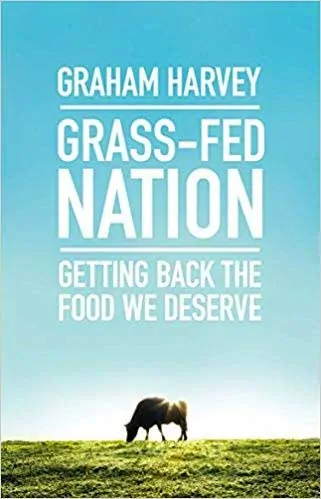
 In 2016, the US Department of Agriculture changed its official definition of “grass-fed.” The DOA claimed they were not authorized to confirm the information on food labels. These were specific to grass-fed livestock. The DOA said they could not tell whether labels were“truthful and not misleading”.
 or the Food Alliance certification.
 Make sure that when you are paying premium prices for “grass fed meat ” that you are getting what you are paying for. Do not by any means take it for granted that you are. Be vigilant about your sources!
 WHERE TO BUY GRASS FED MEAT IN THE UK
 This is a wonderful association. To buy quality grass fed meat it is a good idea to head here first and get information on where to buy meat.
 The Pasture-Fed Livestock Association brings together British farmers who commit to producing high quality grass fed meat in a more natural way.